What to Know Before the Caucasus
The Caucasus isn’t just one destination — it’s a whole world packed into a relatively small stretch of land, where snow-capped mountains, ancient monasteries, and cities with centuries of layered history sit just a few hours apart. Armenia, Georgia, Azerbaijan, and the neighboring parts of Turkey and Iran each have their own character, but a few practical realities apply across the whole region — and knowing them before you go will save you time, money, and a fair share of confusion.
Visas Aren’t One-Size-Fits-All
This is the single most important thing to sort out first. Armenia and Georgia offer visa-free entry or e-visas to citizens of most Western countries, and the process is usually simple. Azerbaijan requires an e-visa for almost everyone, which needs to be arranged in advance — don’t expect to get one at the border. Iran has a more involved visa process, and citizens of the US, UK, and Canada face additional restrictions. Border rules between these countries can also change with little notice, especially where Armenia and Azerbaijan share a border, which is currently closed to almost all travelers. Always check official government sources no more than a few weeks before your trip — this is a region where visa policy shifts more often than people expect.
The Region Runs on Cash — More Than You’d Think
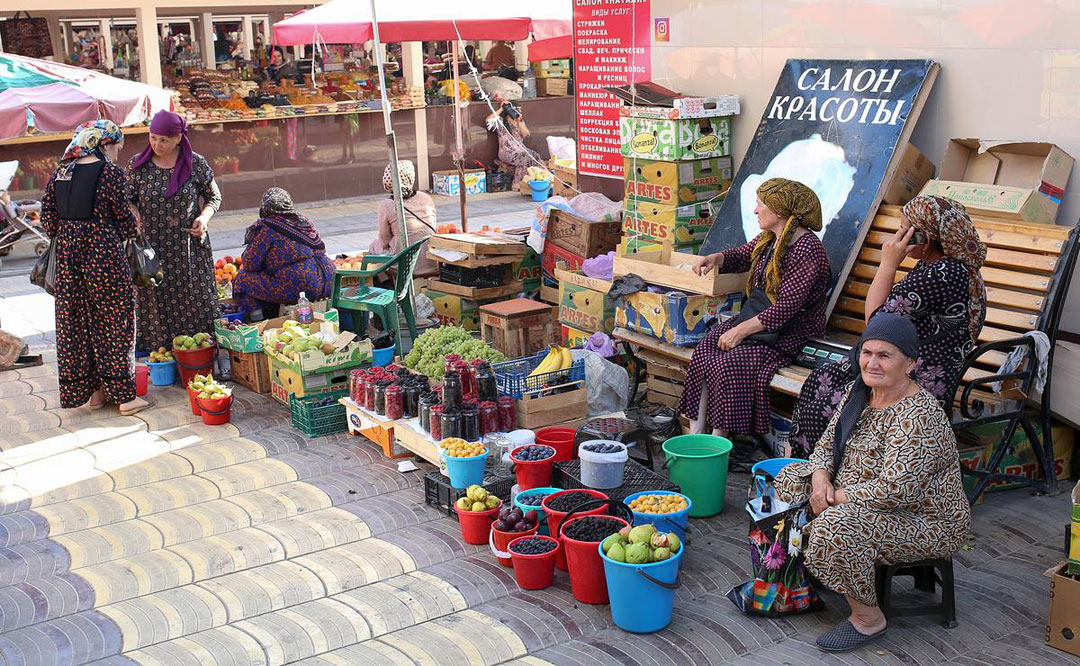
Cards are increasingly accepted in capital cities and tourist-heavy areas, but the moment you step into smaller towns, mountain villages, or local markets, cash is king. ATMs are common in cities but can be sparse in rural areas, so it’s smart to withdraw what you need before heading out of the capital. Currency also changes at every border — Armenian dram, Georgian lari, Azerbaijani manat — so budget a little time (and a small loss to exchange fees) each time you cross.
Languages and the Alphabet Factor
English is spoken fairly well in tourist areas of Georgia and Armenia, less so in Azerbaijan outside Baku, and even less in rural areas anywhere. What catches many travelers off guard isn’t the language itself, but the alphabets — Georgian and Armenian each use their own unique script, unrelated to Latin or Cyrillic. Street signs, menus, and bus destinations may only be written in the local script. Downloading offline translation apps and saving key addresses in the local alphabet (not just Latin transliteration) makes daily navigation dramatically easier.
Distances Are Short, But Travel Times Aren’t
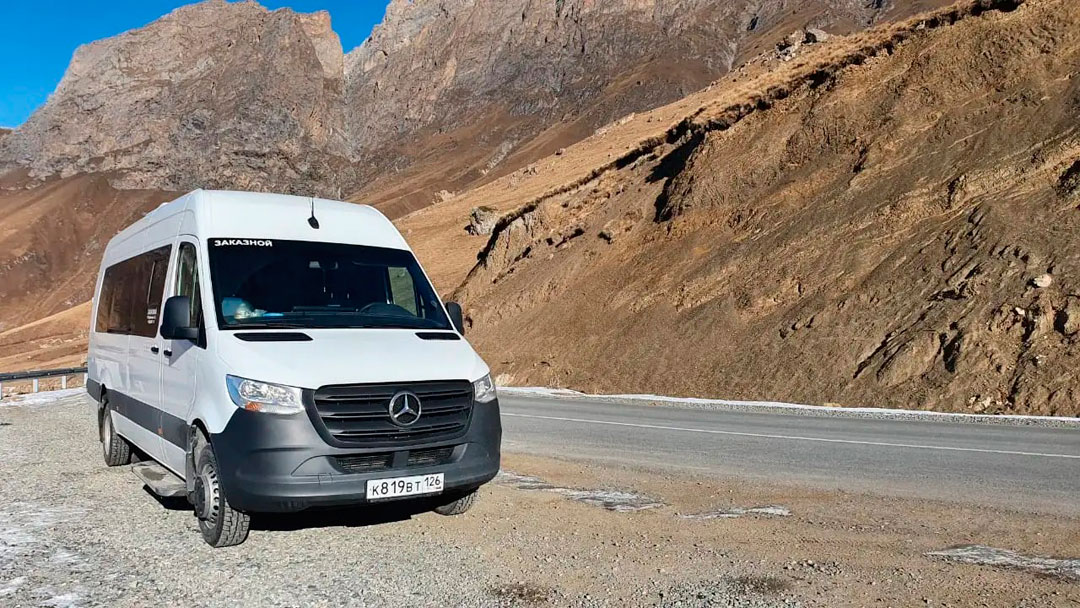
On a map, the Caucasus looks compact — you could fit the whole region into a single mid-sized country. In practice, mountain roads, winding routes, and occasional border delays mean a 200-kilometer drive can easily take four or five hours. Marshrutkas (shared minivans) are the backbone of regional travel and are cheap and frequent, but they run on informal schedules — “when full” rather than a fixed timetable. If you’re working with a tight itinerary, build in buffer time, especially for mountain routes or winter travel.
Hospitality Is Real — and Comes With Expectations
The Caucasus is famous for hospitality, and it’s not just a tourism slogan. Being invited for tea, a meal, or even into someone’s home is common and genuine. That said, hospitality here often comes with unspoken customs: refusing an offer outright can seem rude, toasting has real etiquette (especially in Georgia, where the tamada, or toastmaster, leads a structured sequence of toasts), and it’s polite to reciprocate generosity when you can, even in a small way. Leaning into this rather than treating it as a novelty tends to open doors — and conversations — that guidebooks can’t.
A Region Still Shaped by Recent History
Political tensions aren’t ancient history here — the Nagorno-Karabakh conflict, the 2008 Russia-Georgia war, and shifting Armenia-Azerbaijan relations have all left visible marks, from border closures to monuments to simply how locals talk about their neighbors. It’s worth reading a bit about recent regional history before you go, both out of respect and so conversations with locals don’t catch you off guard. Political opinions can run strong — it’s generally best to listen more than you opine, especially early in a conversation.
The Takeaway
None of this should discourage you — if anything, it’s what makes the Caucasus so rewarding to explore. It rewards travelers who come prepared: check your visa requirements early, carry more cash than you think you’ll need, expect travel days to run long, and stay open to the hospitality that defines the region. Get these basics right, and the rest of your trip is free to be about the mountains, the monasteries, the food, and the people who make this corner of the world unlike anywhere else.